
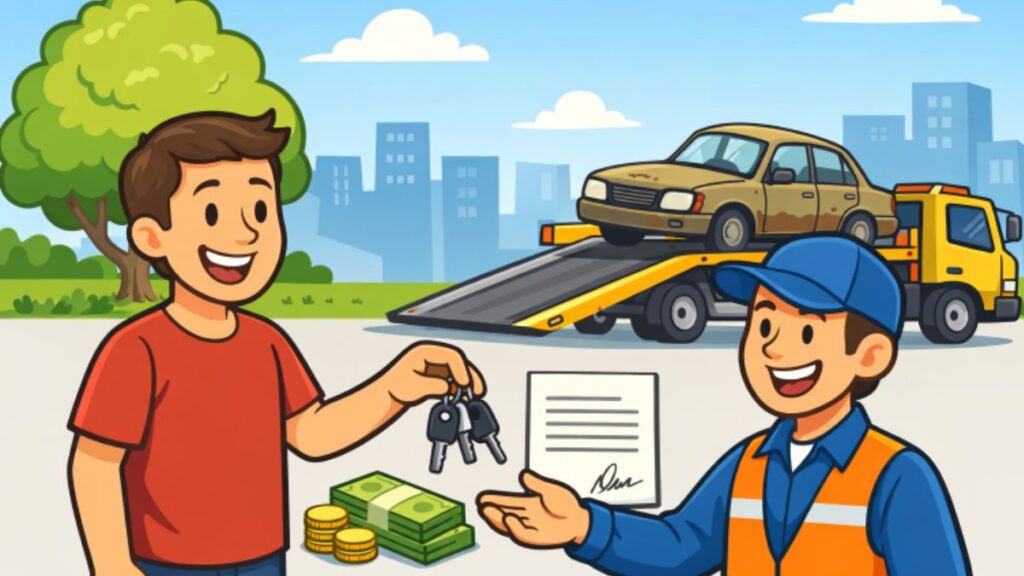
Turning your old, non-functional vehicle into cash can be both financially rewarding and environmentally responsible. Before you get started, it is essential to know where you can get the best value for your car, even if you do not have the title. If you are searching for expert assistance, cash for junk cars no title near me is a service offered by Orlando Junk Cars, a trusted, established brand serving the greater Orlando area. Orlando Junk Cars specializes in buying vehicles in any condition, from wrecked and non-running to those without titles, and offers free same-day towing with instant payment. With years of experience and a reputation for professionalism, Orlando Junk Cars ensures a legal, hassle-free, and environmentally friendly process for selling your junk vehicle.
This guide will walk you through key steps to ensure a smooth, ethical sale of your junk car, so you can maximize your payout while minimizing risks and complications. Let’s dive into how you can turn that unwanted car into quick cash while safeguarding your interests and supporting the environment.
Assessing the Value of Your Junk Car
Before initiating the sale, take time to estimate your car’s worth. Start by assessing factors such as the vehicle’s make and model, condition, and whether it is still drivable or has valuable components left. Certain cars, especially older models or those in high demand for parts, can yield a better return.
The market price for scrap metals like steel and aluminum will also greatly affect your payout. You can check current rates through online calculators or by contacting nearby salvage yards. Comparing quotes from multiple sources is strongly advised for getting a fair market value.
Gathering Necessary Documentation
Proper paperwork is crucial to ensuring the sale is both legal and trouble-free. Start with the vehicle title, which is required in most states to transfer ownership. If your title is missing, Orlando Junk Cars and other specialists may guide you through alternative options or secure transfer procedures.
A bill of sale should be prepared to document the transaction. This document typically includes details such as the buyer’s and seller’s names, the vehicle description, the date, and the agreed sale price. Lastly, filing a release of liability with your state’s DMV protects you from any future legal or financial responsibility tied to the vehicle after it leaves your possession.
Every form should be filled out with attention to detail, and copies should be kept for your records in case questions arise after the sale.
Choosing the Right Buyer
The next step is selecting a reputable and trustworthy buyer. Licensed junkyards are typically the most reliable choice; they are familiar with local regulations and have established protocols for handling junk cars. Make sure any yard you contact has the proper documentation, and always check reviews or ratings when possible.
Online car buying services are another convenient option, particularly those that offer fast quotes and free towing. These platforms tend to streamline the process, particularly for sellers who have time constraints or limited transportation options for their vehicles. Additionally, charitable organizations sometimes accept vehicle donations, which may be eligible for a tax deduction and can be a meaningful way to support a cause.
Avoiding Common Mistakes
Selling a junk car can be straightforward, but several common mistakes can stall or jeopardize the transaction. One major pitfall is incomplete paperwork. Failing to provide all necessary documents can invalidate the sale or lead to future complications, so double-check every requirement in advance.
Do not forget to thoroughly inspect your car and remove all personal belongings before turning it over. Also, avoid accepting the very first offer. Take time to evaluate multiple bids to ensure you receive the best deal for your vehicle, and do not be afraid to negotiate with buyers.
Extra Precautions
For your safety, meet buyers in well-trafficked areas during daylight hours, or have a friend accompany you if someone is picking up your vehicle at home. Confirm the payment method is secure and traceable whenever possible.
Understanding the Environmental Impact
Recycling your junk car has far-reaching benefits. Each year, automotive recycling conserves millions of tons of raw materials and helps reduce energy requirements. According to industry data, recycling one car can save up to 2,500 pounds of iron ore, 1,400 pounds of coal, and 120 pounds of limestone, drastically cutting emissions and waste. Opting for buyers who prioritize responsible recycling ensures that hazardous fluids and materials are managed in accordance with environmental standards, protecting local ecosystems and communities.
Finalizing the Sale
Once you have agreed on a buyer and a fair price, close the transaction by meticulously following each required step. Sign over the title, ensuring all fields are complete and accurate. If your state mandates a bill of sale, draft it carefully and provide a copy to both parties. Remember to remove your license plates and return them to the DMV if instructed by local laws and regulations, and do not forget to cancel your insurance policy as soon as the vehicle is no longer in your possession to avoid unnecessary fees.
Conclusion
Selling a junk car can be simple and rewarding when you understand its value, prepare the right documents, and choose a reputable buyer. Taking time to compare offers helps you get a fair price, while avoiding common mistakes ensures a smooth transaction. Responsible selling also supports environmental recycling, making the process both profitable and sustainable.