
After an injury, strong documentation can protect your health, preserve important facts, and make it easier to explain what happened. Whether the incident involved a vehicle collision, a fall, a workplace accident, or another preventable event, a personal injury attorney in Chippewa County may later need clear records to assess the available options.
The most useful evidence is often collected early, before a dangerous condition is repaired, vehicles are fixed, security footage is overwritten, or witnesses lose track of details. Start with safety and medical care, then create an organized record that shows how the injury occurred and how it has affected daily life.
What to Do During the First Few Hours
Your first priority is getting away from immediate danger. Move away from traffic, unstable objects, fire, or other hazards if you can do so safely. Call 911 when someone is injured, the scene is unsafe, or emergency assistance is needed. Report the event to the appropriate person, such as a police officer, property manager, store employee, landlord, or supervisor.
For a vehicle crash, exchange contact, vehicle, and insurance information without arguing about fault. In Wisconsin, crashes involving injuries or qualifying property damage must be reported, so it is important to determine whether law enforcement has already filed a report or if you need to file one yourself.
Put Medical Care First
Prompt medical attention is important because not every injury is obvious at the scene. Headaches, dizziness, neck pain, soft-tissue injuries, and concussion symptoms can appear or worsen over time. Tell the provider how the incident occurred, describe all symptoms honestly, and mention any prior injuries or medical conditions when relevant.
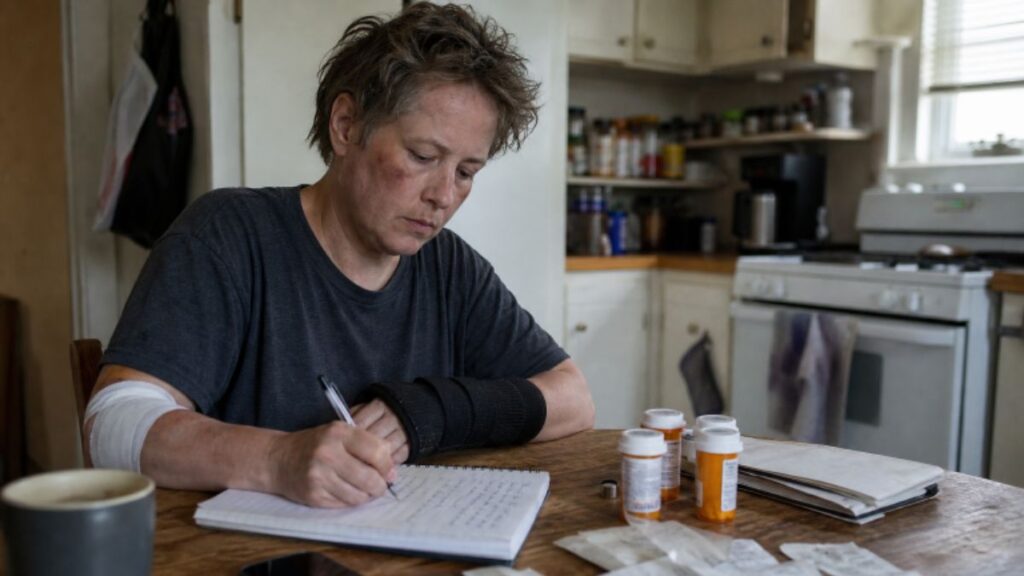
Keep discharge instructions, prescriptions, test results, referral records, therapy notes, invoices, and receipts. Follow the treatment plan unless a medical professional changes it. If a condition limits sleep, driving, work, household tasks, exercise, or family activities, record those changes in a dated journal. Medical records document diagnosis and treatment, while your personal notes help show the day-to-day impact.
Preserve Physical and Digital Evidence
Evidence can disappear quickly. Take photographs and videos as soon as it is safe to do so. Use wide shots to show the full scene, then close-up images to capture vehicle damage, broken pavement, poor lighting, spilled liquids, damaged safety equipment, torn clothing, or visible injuries.
Build an Evidence File
- Save original photo and video files without filters, edits, or alterations.
- Photograph injuries over several days as bruising, swelling, or healing changes.
- Keep damaged clothing, helmets, shoes, tools, or personal property in the condition they were found.
- Write down witness names, phone numbers, email addresses, and a brief description of what each person saw.
- Request copies of police reports, incident reports, and relevant medical records.
- Save emails, text messages, letters, claim numbers, and voicemail notes related to the event.
If a business, apartment complex, or workplace may have surveillance footage, request that it be preserved as soon as possible. Do not assume the footage will remain available. A brief written request that includes the date, approximate time, and location of the incident can help identify the recording.
Communicate Carefully With Insurance Companies
Reporting a claim is different from agreeing with an insurer’s description of fault or injuries. When speaking with an adjuster, provide accurate basic facts, but do not guess about speed, distance, medical recovery, or who was responsible. Ask for the adjuster’s name, direct contact information, and the claim number, then maintain a log of every conversation.
Keep copies of every document you send. Before signing a medical authorization, recorded-statement consent, release, or settlement agreement, read it carefully. An early settlement may not account for future treatment, time away from work, or complications that have not yet become clear.
Take Extra Steps After a Workplace Injury
Workplace injuries can involve a separate workers’ compensation process. Notify a supervisor or designated employer representative promptly, request a written incident report when possible, and provide your work restrictions to the employer. Keep records of missed shifts, reduced hours, job duties you cannot perform, and communications about returning to work.
Wisconsin workers are encouraged to report injuries promptly, obtain needed care, and retain medical and payment records because workers’ compensation benefits may include medical expenses and wage-loss compensation in qualifying cases. Preserve pay stubs, schedules, tax records, and notes from your treating provider.
Document Every Type of Loss
An injury claim may involve more than the first emergency room bill. Create separate folders for expenses already paid, bills currently due, and expected future costs. This approach helps prevent small but legitimate losses from being overlooked.
- Medical visits, medication, rehabilitation, and medical equipment.
- Lost income, reduced work hours, and missed employment opportunities.
- Mileage, parking, rideshare costs, and other travel for medical care.
- Vehicle repairs, damaged personal property, and replacement costs.
- Home assistance, childcare, or accessibility changes made necessary by the injury.
- Pain, emotional effects, and loss of ability to participate in ordinary activities.
Avoid Common Documentation Mistakes
Small errors can create confusion later. Avoid delaying medical care without a reason, discarding damaged items, posting detailed comments or photos online, or giving inconsistent descriptions of symptoms. Do not exaggerate, but do not minimize your limitations either. Accurate, dated records are usually more persuasive than memory alone.
Act Before Important Deadlines Pass
Deadlines can vary depending on the type of claim, the people or organizations involved, and whether a government entity or workplace is involved in the incident. Take practical steps quickly: report the event on the same day when possible, gather initial records within the first week, and continue tracking treatment and losses over the following weeks. General information cannot determine the deadline for a particular claim.
Common Questions
Should I document an injury that seems minor?
Yes. Some symptoms develop later, and a prompt report creates a useful record of when and where the incident happened.
What if I had a preexisting injury?
A prior condition does not automatically prevent a claim. Records may help show whether the incident caused new symptoms or worsened an existing condition.
When should I seek legal guidance?
Consider seeking advice when injuries are serious, fault is disputed, multiple insurers are involved, a settlement is offered, or future medical and income losses are uncertain. Careful evidence preservation gives you a clearer foundation for any next step.