
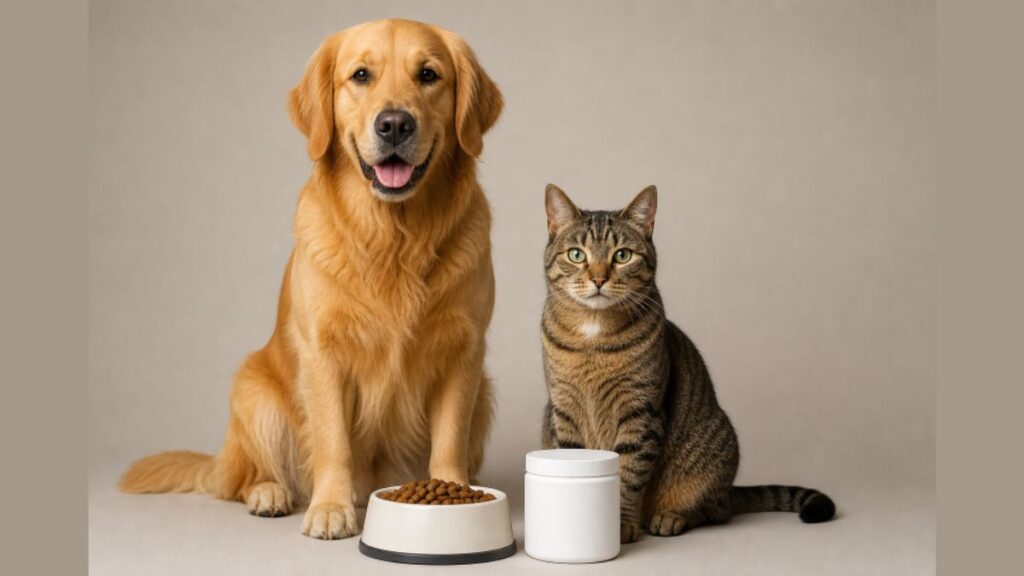
Antioxidant supplements are often marketed as an easy way to support healthy aging, mobility, skin, immunity, or recovery. Some pet owners also explore targeted options such as liver support for cats and dogs when they are trying to build a broader wellness plan. The important first step is to understand that no antioxidant product replaces good nutrition, routine preventive care, or a veterinary diagnosis.
A safer approach starts with a clear goal and realistic expectations. Antioxidants may be useful in selected situations, but they do not stop aging, cure chronic illness, or make up for an unsuitable diet. The best choice depends on the pet’s species, size, age, medical history, current food, and other products already being used.
Why Antioxidant Support Gets Attention
Oxidative stress is a normal biological process. As the body turns food and oxygen into energy, it produces reactive molecules that can affect cells if they accumulate faster than the body can manage them. Aging, intense exercise, inflammation, illness, environmental exposures, and normal metabolism can all influence this balance.
Antioxidants help the body manage reactive molecules, but that does not mean every pet needs a separate antioxidant supplement. A well-formulated diet already supplies many nutrients involved in antioxidant defenses. Think of supplementation as one possible tool within a larger health plan, not as a shortcut to better health.
Start With Your Pet’s Basic Needs
Before adding powders, chews, oils, or botanical blends, review the basics. Confirm that the primary food is complete and balanced for the pet’s life stage, and consider how treats, table scraps, dental chews, and other add-ons affect total calorie and nutrient intake. Reliable food labeling matters, especially when products make health-related promises. The FDA’s overview of pet food regulation explains why food and disease-treatment claims are handled differently in the United States.
Also, watch for changes that may need medical attention rather than nutritional experimentation. Appetite, stool quality, coat condition, energy, mobility, thirst, and body weight can reveal much more than a supplement label. If a pet is losing weight, vomiting repeatedly, or becoming less active, address the possible underlying problem first.
Common Antioxidant Ingredients
Products may contain one nutrient or a blend of vitamins, minerals, fatty acids, and plant-derived compounds. Each ingredient should be evaluated in the context of the total diet.
- Vitamin E: Supports the protection of cell membranes, but excess intake can upset nutrient balance.
- Vitamin C: Dogs and cats can produce vitamin C themselves, so added amounts are not automatically necessary.
- Carotenoids: Compounds such as beta-carotene occur in some foods and may contribute to dietary antioxidant activity.
- Polyphenols: Plant compounds from berries, herbs, and other botanicals can vary greatly in concentration and tolerance.
- Selenium and related nutrients: These support antioxidant enzymes, yet the margin between an appropriate and excessive amount can be narrow.
What Research Can and Cannot Show
Research in dogs and cats suggests some antioxidant formulas can affect markers associated with oxidative status. However, results differ by formula, dose, background diet, health status, and study design. A change in a laboratory marker does not always produce a visible improvement in comfort, mobility, coat quality, or longevity. A review of veterinary antioxidant research should be read with those limits in mind, including this peer-reviewed research article.
Small or short-term studies can be useful starting points, but they cannot prove that every product works for every animal. Evidence from dogs should not automatically be applied to cats, particularly when botanical extracts or concentrated nutrients are involved.
Dogs and Cats Need Different Rules
Cats have unique nutritional requirements and metabolic pathways. They are not simply small dogs, and a dog’s chew, powder, or liquid may contain an unsuitable dose or ingredient for a cat. Use products that clearly identify the intended species and follow weight-based directions exactly. Even a species-specific product may be inappropriate for a pet with liver, kidney, digestive, heart, or seizure-related conditions.
How to Read a Supplement Label
- Confirm the intended species and life stage.
- Find the exact amount of each active ingredient per serving.
- Use caution with proprietary blends that do not disclose individual amounts.
- Check feeding directions against your pet’s current body weight.
- Look for a lot number, expiration date, storage directions, and company contact details.
- Prefer products that explain their manufacturing standards or batch-testing practices.
- Avoid claims that promise to cure disease, reverse aging, or replace veterinary care.
When a Supplement Needs Extra Caution
Speak with a veterinarian before introducing antioxidant support for pets taking anti-inflammatory medicines, seizure medications, blood thinners, or other prescriptions. The same applies to animals with kidney, liver, heart, or digestive disease; pets scheduled for surgery or anesthesia; and pregnant, nursing, very young, or medically fragile animals.
“Natural” does not mean risk-free. Several supplements, fortified treats, oils, and functional foods can overlap in vitamins or minerals. Bringing photos of every label to a veterinary appointment can help identify unnecessary duplication.
A Simple Three-Step Starting Plan
- Define the goal: Decide whether the focus is general wellness, skin and coat, mobility, aging, recovery, or another specific concern.
- Choose one change: Do not begin several new foods or supplements at once.
- Track the response: For several weeks, record appetite, stool, energy, coat condition, mobility, and any unwanted changes.
Signs That Call for a Veterinary Visit
Do not rely on supplements when a pet has sudden weight change, repeated vomiting or diarrhea, reduced appetite, unusual weakness, bruising, changes in thirst or urination, breathing trouble, seizures, or worsening pain. Stop a newly introduced product if side effects appear, save the packaging, note the amount given, and contact a veterinarian promptly.
Common Questions From Pet Owners
Do healthy pets need antioxidant supplements?
Many healthy dogs and cats receive appropriate antioxidant nutrients through a suitable complete diet. A supplement may have a role in specific cases, but it should have a defined purpose rather than being added automatically.
Can dogs and cats take the same product?
Not without guidance. Ingredient selection, dose, flavorings, and a pet’s individual health status all matter. A dog product should never be assumed safe for a cat.
Are higher doses more effective?
No. Higher doses can increase the risk of digestive upset, nutrient imbalances, or interactions with medicines. More is not necessarily better.
Conclusion
Responsible antioxidant support begins with strong everyday care, a balanced diet, realistic expectations, and careful label reading. The smartest choice is not always the newest ingredient. It is the option that fits a pet’s species, health needs, and overall care plan, introduced one careful change at a time.