
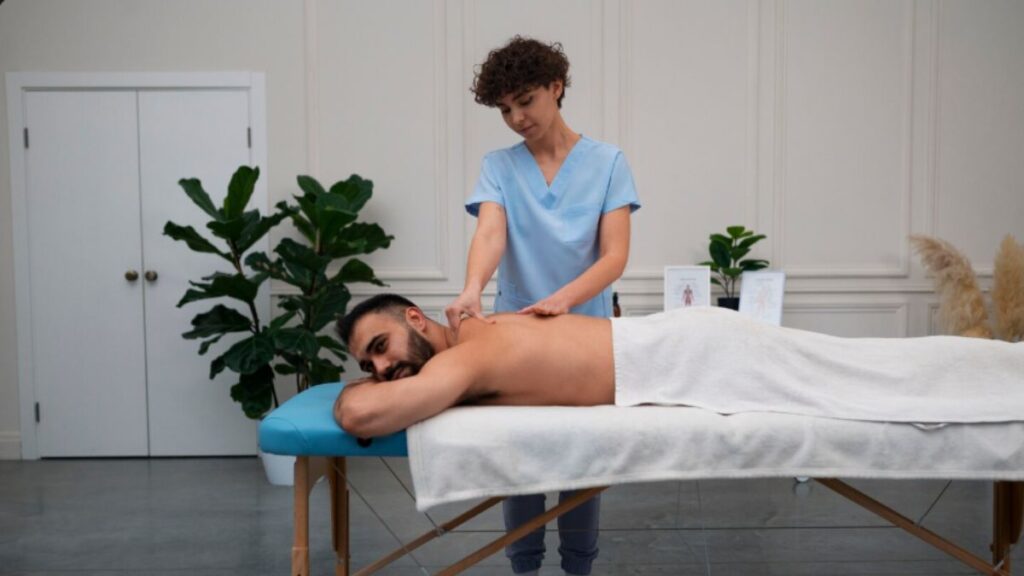
Massage therapy is widely known for its ability to soothe the mind and body, but its positive impact extends far beyond relaxation. Modern research and longstanding practices demonstrate that regular massage can enhance both physical health and mental resilience. Many individuals turn to techniques such as Swedish, deep tissue, or even craniosacral therapy Reno NV for a holistic approach to well-being and recovery from various physical challenges.
While relaxation is often the most immediate experience, massage therapy supports the body’s natural healing processes on multiple levels. From reducing muscle soreness to promoting emotional stability, the advantages apply to people from all walks of life. Whether you are an athlete, someone dealing with chronic pain, or simply seeking better sleep, incorporating massage into your wellness routine holds significant promise.
Stress Relief and Mental Health
One of the most significant advantages of massage therapy is its ability to reduce stress and support mental health. By lowering stress hormones like cortisol, massage helps quiet the mind and promote a sense of calm. This effect is facilitated by stimulating the parasympathetic nervous system, which governs rest and relaxation.
Individuals experiencing anxiety, emotional burnout, or symptoms of depression often find relief through regular massage sessions. Consistent treatment can help regulate mood swings, reduce tension headaches, and increase endorphin production. As noted by Verywell Mind, massage is increasingly seen as a valuable adjunct therapy in mental wellness programs offered at clinics and workplaces.
Pain Management and Muscle Recovery
For many, massage therapy offers an effective way to manage pain without medication. Whether addressing chronic discomfort or post-exercise soreness, specific techniques such as deep tissue massage and myofascial release break up adhesions and promote optimal muscle function. This is especially important for individuals recovering from injuries or surgeries, as therapeutic touch can accelerate tissue repair and reduce inflammation.
Athletes frequently utilize massage not only for recovery but also to prevent injuries. According to Harvard Health Publishing, controlled studies have shown that massage is effective for conditions such as lower back pain and fibromyalgia, underscoring its role in holistic pain management.
Improved Circulation and Immune Function
Improved blood flow is another essential benefit of regular massage. By enhancing circulation, massage therapy ensures that nutrients and oxygen are efficiently delivered to every part of the body. This is crucial for muscle recovery and overall vitality.
Massage also positively influences the lymphatic system, which plays a key role in immune function. By stimulating lymphatic drainage, massage helps remove waste products and toxins, reducing swelling and supporting immune response. Research published by the National Institutes of Health suggests that even occasional massage therapies can increase the efficacy of the body’s “killer” cells, which defend against viruses and infections.
Enhanced Flexibility and Range of Motion
Loss of flexibility and restricted mobility can be significant issues for those recovering from injury or living with sedentary routines. Massage techniques gently stretch muscles, release tight fascia, and break down scar tissue. The result is improved flexibility, enhanced performance, and a decrease in injury risk.
People with physically demanding lifestyles, such as athletes or workers with repetitive strain jobs, can especially benefit from regular myofascial release, neuromuscular therapy, or stretching-focused approaches. This not only provides immediate comfort but also protects long-term joint and soft-tissue health.
Better Sleep Quality
Sleep disturbances affect millions, often caused by high stress or chronic pain. Massage therapy encourages the production of serotonin and dopamine, which help create a balanced mood and restful sleep. In addition to helping people fall asleep faster, massage sessions have been shown to result in deeper, more sustained rest cycles.
The relaxation response triggered by massage is particularly useful for those struggling with insomnia, restless leg syndrome, or other sleep disorders. By establishing a regular massage routine, individuals can reset their sleep-wake cycles and promote ongoing restfulness.
Types of Massage Therapies
Understanding the various types of massage is important in order to tailor therapy to individual goals and needs.
- Swedish Massage: Gentle and rhythmic motions that prioritize overall relaxation. Ideal for stress reduction and improved blood flow.
- Deep Tissue Massage: More intense pressure to target deeper muscle groups where chronic pain and tension reside.
- Sports Massage: Geared toward athletes to prevent injuries, support recovery, and increase flexibility specific to their sport.
- Trigger Point Therapy: Direct pressure is applied to localized areas of intense muscle tightness to relieve specific discomfort.
Incorporating Massage into Your Wellness Routine
Consistent and personalized massage therapy maximizes benefits. Work with a licensed therapist to create a schedule that fits your health goals and activity level. Regular sessions, whether weekly or monthly, help maintain flexibility, reduce stress, and support immune and recovery processes. Many combine massage with yoga, meditation, or physical therapy. Open communication about your health ensures sessions are effective. Regular massage offers diverse benefits, including pain relief, muscle recovery, immune support, mobility, and sleep quality. Making it a regular routine builds a strong foundation for overall wellness.
Conclusion
Massage therapy is more than a way to relax; it is a valuable component of a well-rounded wellness routine. From relieving stress and managing pain to improving circulation, flexibility, immune function, and sleep quality, regular massage can support both physical and mental well-being. By choosing the right massage technique and working with a qualified therapist, individuals can create a personalized plan that promotes long-term health, enhances recovery, and improves overall quality of life.