
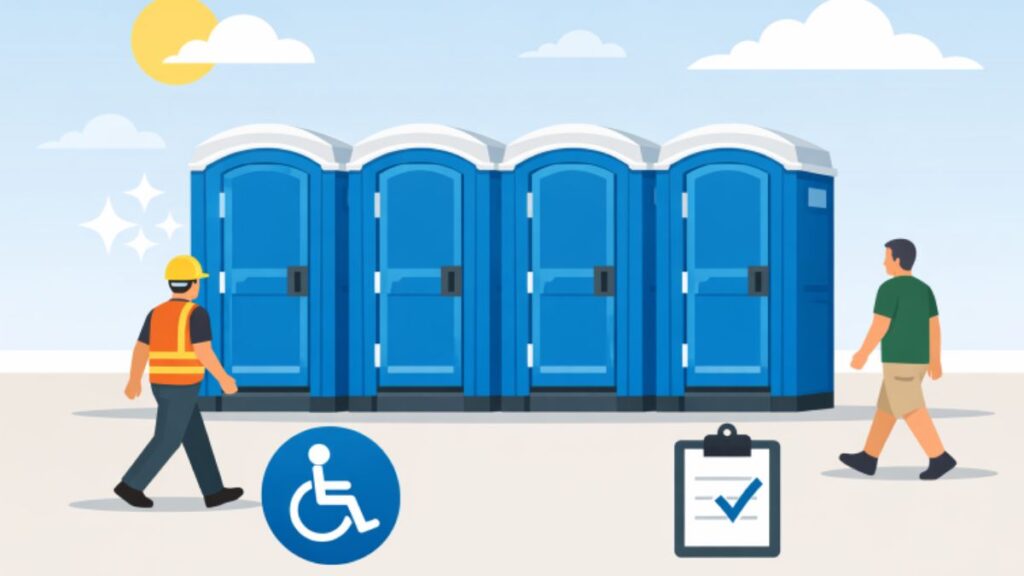
Understanding the Importance of Portable Toilets
Access to reliable sanitation is essential wherever people gather or work, particularly at construction sites and outdoor events. Providing well-maintained portable toilets ensures basic hygiene, prevents the spread of disease, and upholds public health regulations. For both event organizers and contractors, the presence of portable toilets is not only a matter of convenience but a critical factor in safety and compliance.
Proper sanitation at temporary sites also helps minimize environmental impact by efficiently containing waste. The result is a cleaner, safer space for guests and workers, leading to fewer health incidents and improved morale.
Regulatory Compliance and Standards
Following official guidelines is essential for anyone responsible for temporary facilities. In the United States, the Occupational Safety and Health Administration (OSHA) requires employers to provide a specific number of toilets based on the size of the workforce at construction sites. According to OSHA standard 1926.51(c)(1), there should be one toilet for every 20 workers. Non-compliance can result in fines, project delays, or even shutdowns. These standards exist to protect worker health and should always be a factor in planning sanitary facilities.
For events, the recommended number of restrooms is often 1 per 100 guests. Each local jurisdiction may adopt different sanitation codes, so confirming guidelines with local health departments or event-permitting bodies is wise.
In addition to portable toilets, maintaining safe, functional waste systems is a priority. Seeking professional septic services is another critical aspect of comprehensive site sanitation.
Determining the Number of Units Needed
Determining how many portable toilets to provide depends on factors like expected attendance, site size, and event or project duration. For instance, larger sites or festivals spanning multiple days require increased capacity and more frequent servicing. Weather conditions, available permanent facilities, and user demographics, such as the proportion of families or those with accessibility needs, must also be considered. The Portable Sanitation Association International provides helpful calculators and guidelines for planning portable restrooms.
Failing to perform proper calculations can result in long lines, poor user satisfaction, and potential noncompliance with regulations.
Types of Portable Toilets and Their Applications
Selecting the appropriate type of portable restroom is essential for meeting the needs of both users and the event or site. Common options include:
- Standard Units: Ideal for short-term or low-traffic scenarios, often featuring basic requirements like a toilet, urinal, and minimal hand sanitization features.
- Deluxe Units: Equipped with built-in sinks or handwashing stations; recommended for environments requiring higher hygiene standards.
- ADA-Compliant Units: Larger and designed for accessibility, these are critical for meeting inclusivity regulations and accommodating all guests.
- Restroom Trailers: Upscale units offer multiple stalls, flushing toilets, running water, air conditioning, and added comfort for high-end events.
Matching restroom types with the specific needs of your site or event will boost hygiene and overall satisfaction.
Maintenance and Hygiene Best Practices
Keeping portable toilets clean and stocked is one of the most influential factors in user safety and comfort. Best practices include:
- Scheduled Servicing: Arrange for regular servicing and waste removal, increasing frequency during peak use periods.
- Sanitization: Use EPA-approved cleaning solutions for high-touch surfaces. Prioritize handwashing stations and ensure all units have adequate supplies of soap or sanitizer.
- Supply Management: Consistently restock essentials like toilet paper, hand sanitizer, and paper towels.
Posting signage with proper hygiene reminders can also help users keep facilities in better condition.
Placement Strategies for Optimal Accessibility
Where portable toilets are positioned is just as important as how many are available. Thoughtful placement strategies include:
- Proximity: Place units near main work areas or gathering points so that users do not have to walk far distances.
- Visibility: Ensure units are visible and easy to locate, but not intrusive or unsightly to event attendees.
- Even Distribution: Distribute units evenly at large events or sprawling sites to reduce crowding and queue times.
Additional considerations, such as lighting for nighttime use or weather protection, can further improve the user experience.
Innovations in Portable Sanitation
The portable restroom industry continues to evolve, introducing high-end amenities that enhance comfort for event guests and workers alike. Many luxury units now feature Bluetooth audio, LED lighting, climate control, and hands-free fixtures to promote hygiene. Such innovations not only elevate the user experience but also demonstrate a commitment to high standards at any site or gathering.
Whether for festivals, private functions, or major construction projects, offering enhanced portable sanitation reflects positively on the event or project management.
Conclusion
Maintaining proper sanitation with portable toilets at events and construction sites is fundamental to health, safety, and satisfaction. By understanding regulatory requirements, matching the number and type of facilities to your needs, keeping units clean, and placing them wisely, you create a better experience for every user. Responsible planning and ongoing improvements in this field will ensure cleaner, safer environments wherever portable toilets are needed.