
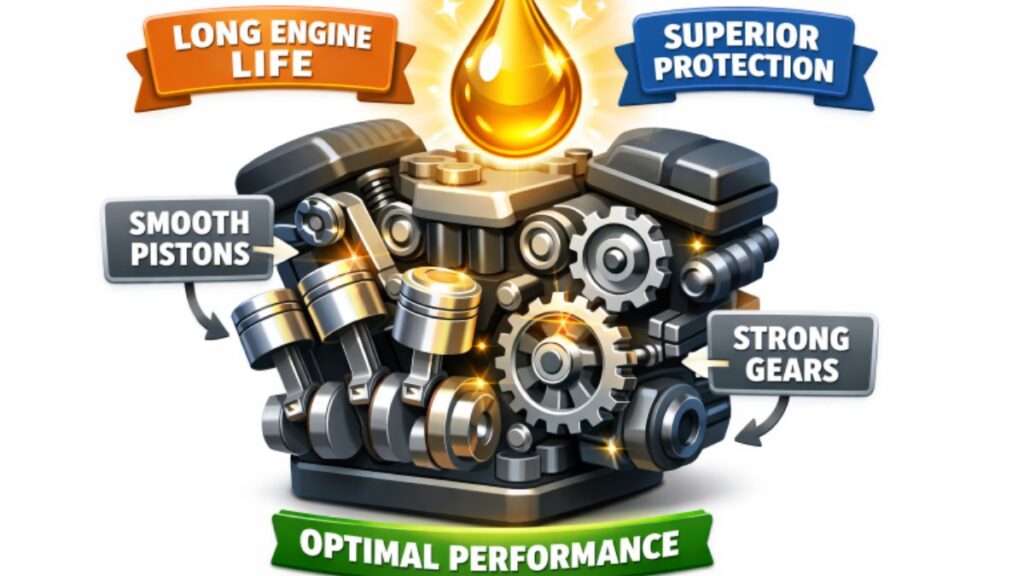
Routine oil changes are critical for maintaining engine health and maximizing the lifespan of your vehicle. Just as blood is essential for human life, fresh oil keeps engine components moving smoothly and efficiently. Skipping this maintenance can lead to costly repairs and reduced performance, something no vehicle owner wants to deal with. For those exploring reliable options for home or business heating, services like Bacardi Oil Service highlight the importance of timely oil care, offering solutions such as cash heating oil to keep systems running efficiently beyond just automotive needs.
Motor oil is exposed to extreme conditions inside engines, encountering contaminants, heat, and pressure during every drive. Over time, this constant exposure can break oil down, making it less effective at lubricating and protecting engine parts. Maintaining a regular oil change schedule helps combat these issues, ensuring your engine runs smoothly in every season and driving condition.
Modern engines are built with increasingly precise tolerances, making good lubrication and clean oil even more crucial. Neglecting oil changes does not just risk short-term problems, but can contribute to a gradual decline in performance and fuel efficiency.
By sticking to a consistent oil change routine, you also help prevent sludge and debris from settling, minimizing the risk of significant internal engine damage. When properly maintained, an engine can deliver years of reliable service and optimal fuel economy, ultimately saving you money on costly repairs or early replacement.
The Importance of Engine Oil
Engine oil is responsible for several essential functions within a car’s powerplant. It provides lubrication, which reduces friction between metal components and minimizes wear during engine operation. By absorbing some of the heat produced during combustion, oil also helps keep engine temperatures in check. This heat dissipation prevents overheating and maintains optimal operating conditions. Additionally, engine oil acts as a cleaning agent, trapping dirt, particles, and combustion byproducts, and carrying them to the oil filter. It also provides a sealing effect between the piston rings and cylinder walls, supporting proper engine compression and performance.
Without effective engine oil, vehicles would be subject to significantly accelerated wear and potential breakdown. That’s why most automotive experts, including organizations like Consumer Reports, consistently stress the importance of selecting the proper oil for your vehicle and changing it at regular intervals.
Consequences of Neglecting Oil Changes
Missing or delaying oil changes can lead to a host of engine issues. As oil ages, it becomes contaminated with dirt and other abrasive particles, leading to thickened oil and the formation of harmful sludge. Dirty oil can no longer properly lubricate or cool engine parts, resulting in increased friction, overheating, and accelerated component wear. In severe cases, oil passages can become clogged with sludge, restricting oil flow and heightening the risk of catastrophic engine failure.
More immediately, an engine running on dirty or degraded oil often experiences a drop in fuel efficiency. The increased friction between moving parts forces the engine to work harder, consuming more fuel and potentially delivering less power. Prolonged neglect also negatively impacts exhaust emissions, making the engine less environmentally friendly.
Benefits of Regular Oil Changes
Sticking to your manufacturer’s recommended oil change schedule delivers several tangible benefits. Fresh oil provides superior lubrication, minimizing friction and wear within the engine. This reduction in wear helps maximize the lifespan of critical engine components, increasing the overall longevity of the engine.
Regular oil changes also contribute to better fuel economy, since a cleaner engine operates more efficiently than a neglected one. With fresh oil, the engine can maintain proper temperature, seal integrity, and power output, resulting in fewer greenhouse gas emissions. By scheduling consistent maintenance, drivers can enjoy years of reliable vehicle performance while avoiding expensive repairs.
Recommended Oil Change Intervals
The ideal interval for oil changes depends on several factors, including your car’s make and model, the type of oil used, and driving conditions. Most manufacturers recommend oil changes every 5,000 to 7,500 miles for modern vehicles. However, extreme driving conditions, such as frequent short trips, towing, or travel in dusty environments, might shorten this interval.
Always consult your vehicle owner’s manual for guidance and consider your own driving habits. Advances in synthetic oils and engine technology have lengthened recommended oil change intervals for many newer cars, but routine monitoring of oil level and quality remains important.
Choosing the Right Oil for Your Vehicle
Not all oils are created equal. To maximize your engine’s protection, use an oil type and viscosity grade that matches your vehicle’s requirements. Consider whether your car needs conventional, synthetic, or blend oils. Synthetic oils often provide better stability and protection over a wider range of temperatures. Be sure to select oils that carry the proper certifications for your car’s engine, such as those from the American Petroleum Institute (API) or your engine manufacturer.
Matching your oil choice to your usual driving conditions, climate, and vehicle age ensures that your engine continues to perform at its best.
DIY vs. Professional Oil Changes
DIY Oil Changes
Changing your oil at home can be cost-effective and is a satisfying project for many vehicle owners. However, successful DIY oil changes require the right equipment, proper knowledge of your vehicle, and responsible disposal of used oil to avoid environmental harm.
Professional Oil Changes
Bringing your vehicle to a trusted mechanic or service center offers several perks. Professionals use the appropriate tools, top-quality oil, and filters. They may also perform a multipoint inspection, checking for other maintenance needs or potential issues. This convenience and expertise make professional oil changes a preferred choice for many drivers, especially those less experienced with car maintenance.
Environmental Impact of Oil Changes
Discarded engine oil is a significant environmental pollutant, capable of contaminating water supplies and harming ecosystems. Always ensure used oil is collected and recycled through certified facilities or collection sites. Many auto service centers accept waste oil and ensure it is handled responsibly. Recycling oil preserves valuable resources and reduces environmental risk, supporting a greener approach to vehicle maintenance.
For more information on responsible oil recycling and local programs, the United States Environmental Protection Agency (EPA) provides detailed guides on proper disposal methods and collection sites nationwide.
Conclusion
Oil changes are simple but vital for keeping your engine operating at peak performance and extending its service life. By following the recommended intervals, using proper oil, and disposing of used oil correctly, drivers ensure years of reliable operation from their vehicles while safeguarding their investments and the environment.