
Sustainability has become the cornerstone of modern home renovation, shaping how homeowners approach everything from energy usage to material selection. In 2026, the focus is on creating environmentally conscious living spaces that balance aesthetics, efficiency, and value. As more people seek to reduce their carbon footprint and lower utility bills, adopting green renovation strategies is more accessible and advantageous than ever. For those interested in transforming their homes with the latest innovations or exploring home additions Montgomery County, MD, embracing these trends is a smart investment in both the future of the planet and the comfort of home life.
The eco-friendly movement continues to gain traction across the construction industry as technological advances and consumer demand drive the development of new solutions. Whether you are updating a historic home or planning a modern addition, these trends can help ensure your project delivers long-term value while aligning with green principles.
Energy-Efficient Upgrades
One of the most significant home renovation trends for 2026 is the prioritization of energy-efficient upgrades. Homeowners are rapidly shifting from traditional appliances and systems to high-efficiency alternatives. Installing modern heat pumps can dramatically slash heating and cooling costs, outperforming older HVAC systems by nearly half in energy use. Triple-pane windows with low-E glass are quickly becoming the new industry standard, providing superior insulation and reducing heating and cooling costs year-round. Upgrading to LED lighting and maximizing insulation in walls and attics also remains crucial for reducing utility bills and lessening environmental impact.
Eco-Friendly Materials
Sustainable renovation is impossible without thoughtful material selection. The use of recycled metal roofing, bamboo flooring, and reclaimed wood helps curb resource depletion while elevating interiors with unique style and character. Cork, another renewable option, is popular for its durability and acoustic benefits. Homeowners are also prioritizing paints and finishes that emit fewer volatile organic compounds (VOCs), improving indoor air quality and reducing exposure to harmful chemicals. Selecting locally sourced materials further cuts transportation emissions and supports local economies.
Smart Home Integration
Technology is enabling smarter, more energy-efficient, and easier-to-operate homes. Integrating programmable thermostats, smart lighting controls, and energy-monitoring devices streamlines electricity consumption and identifies opportunities for savings. Today’s intelligent appliances can even adjust their operation based on occupancy or time-of-day electricity rates, boosting efficiency and reducing waste. Smart water monitors, automated window shades, and advanced security systems can also help enhance sustainability while offering greater peace of mind to homeowners.
Water Conservation Techniques
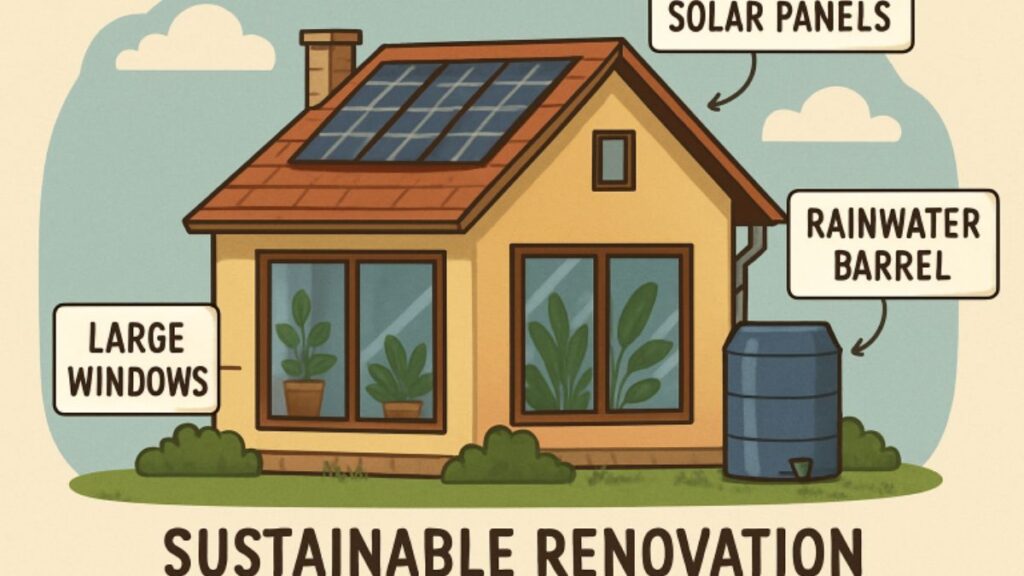
With water scarcity becoming a more pronounced concern worldwide, conservation measures are a fundamental part of any sustainable renovation. Low-flow toilets, faucets, and showerheads deliver equal performance while using a fraction of the water, making them staples in eco-conscious homes. Rainwater harvesting for irrigation and landscape use reduces demand on municipal systems and provides a sustainable source for outdoor needs. Greywater recycling, which involves using household wastewater from sinks and showers for non-potable purposes, is another emerging technology gaining popularity in the green building community.
Biophilic Design Elements
Biophilic design emphasizes integrating natural elements into living spaces to enhance occupant well-being and foster a sense of connection with the outdoors. Large windows and skylights harness natural light while offering panoramic views of nature. Incorporating indoor plants and green walls improves air quality and introduces soothing greenery to interior spaces. Natural materials such as stone, timber, and clay further reinforce these connections and create inviting, tranquil environments.
Waste Reduction Strategies
Another critical trend for 2026 is minimizing waste during renovations. Salvaging existing fixtures, flooring, or cabinetry whenever possible reduces landfill waste and preserves sentimental value or historic charm. Contractors are employing modular construction techniques and planning more efficiently to limit surplus materials during builds. In addition, robust recycling programs for demolition debris are helping keep more materials out of landfills.
Renewable Energy Solutions
Integrating renewable energy is one of the most powerful ways to reduce a home’s long-term environmental impact. Solar panels are becoming more affordable and efficient, making them a feasible addition for many households. Geothermal systems, which leverage stable ground temperatures, can efficiently heat and cool homes. Battery storage technologies are evolving rapidly, allowing homeowners to store surplus solar energy and use it during less sunny periods or during peak demand. These solutions not only reduce utility expenses but often qualify for tax incentives or rebates, adding both immediate and lasting value.
Final Thoughts
Sustainable home renovation in 2026 represents a union of technology, design, and environmentally responsible practices. By integrating energy-efficient systems, selecting eco-friendly materials, leveraging smart home devices, conserving water, and embracing waste reduction strategies, homeowners create spaces that are not only more comfortable and modern but also serve as a blueprint for environmentally conscious living. These efforts ultimately increase property value while helping to preserve resources for generations to come.