
Engaging a private investigator can be a pivotal step, whether you’re facing complex personal matters or intricate business concerns. With so much at stake, choosing the right professional is crucial. Before making your decision, it is essential to know what attributes and qualifications to look for. Working with a reputable private investigator Rochester, NY can provide reassurance and ensure your interests are protected at every stage of the investigation.
Private investigators play a vital role in uncovering facts, validating suspicions, and helping to resolve challenging cases. From surveillance to digital forensics, a qualified PI offers expertise that is difficult to match. It’s essential, however, to make your choice with confidence by considering a comprehensive range of factors, including licensing and training, as well as ethical standards and transparency.
The journey to hiring a reputable PI often involves a mix of research, interviews, and critical evaluation of options available. Appropriate screening can be the difference between a successful resolution and added trouble down the line.
Once you begin, keep in mind that privacy, trust, and results are all tightly linked to the investigator’s professionalism—and your peace of mind depends on their competence.
Verify Licensing and Credentials
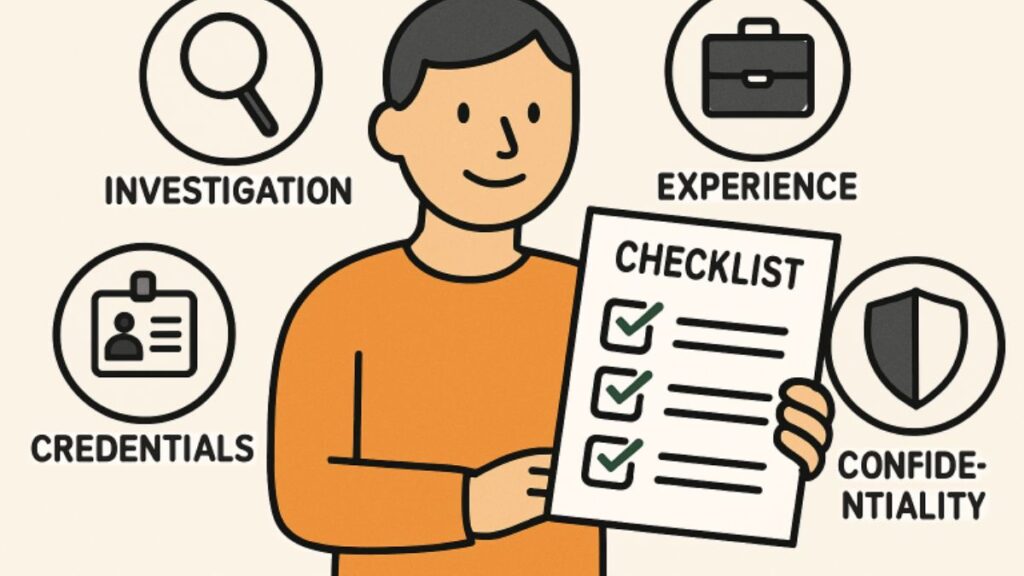
The first checkpoint when hiring a PI is verifying that they hold a valid license for the state in which they operate. Licensing requirements can differ significantly, but any investigator should promptly present legitimate credentials and be open about their educational background and training. If the investigator is hesitant about providing proof, this should be a red flag.
Assess Experience and Specialization
Not all investigations are the same; experience and specialization go hand in hand with effective results. An established investigator will readily discuss the scope of their experience, the types of cases they routinely handle, and any industry-specific training they have received. For example, some investigators may specialize in marital investigations, while others excel in corporate fraud cases or digital forensics. It’s advisable to choose someone whose experience aligns directly with your needs.
Evaluate Reputation and References
Reputation is often a proxy for success and ethics in the investigative field. Online reviews, testimonials, and direct references from former clients can provide unique insights into their professionalism and effectiveness. Don’t hesitate to ask your potential PI for references. Additionally, independent resources such as the Better Business Bureau can help you validate their track record and client satisfaction.
Discuss Confidentiality Measures
Confidentiality is both a legal and ethical cornerstone of investigative work. High-quality PIs will have rigorous protocols and policies in place to protect sensitive client information. During your initial consultation, discuss their approach to data privacy and handling confidential materials, ensuring your trust and interests remain protected throughout the investigative process.
Understand the Cost Structure
Cost transparency prevents unwelcome surprises. Investigators may bill by the hour, offer flat fees, or request retainers. Review their pricing model with care—unusually low rates can be a warning sign of inexperience or questionable practices. A dependable PI will clearly explain their billing methods and provide estimates for your case, setting realistic expectations from the outset.
Review Contract Terms Thoroughly
Before work starts, insist on a written contract that details the investigative scope, fees, confidentiality agreements, and other key terms. This contract protects both you and the investigator, providing clear expectations and accountability. Review every clause and don’t hesitate to ask for modifications or clarifications if needed.
Confirm Insurance Coverage
Professional liability insurance is a must for any reputable PI. This coverage protects both parties against legal issues or damages that might occur during an investigation. Always verify proof of insurance before proceeding and ensure the policy is up-to-date and sufficient for the investigation’s scope.
Assess Communication and Transparency
Good investigators keep their clients informed and respond promptly to questions or concerns. From regular progress updates to being transparent about investigative methods, strong communication is essential. Establish how and how often you will receive updates, and make sure your PI is both approachable and accessible throughout the process.
Inquire About Technology and Resources
Successful investigations increasingly rely on advanced technology—everything from high-definition surveillance equipment to secure databases and forensic software. Ask the PI about the tools they use and their proficiency in leveraging technology for efficient results. Access to the latest tools often translates into a more thorough and accurate investigation.
Ensure Legal Compliance and Ethical Practices
Ensure that your investigator operates strictly within the law and adheres to the highest ethical standards. Illegal surveillance, data breaches, or misconduct can create critical liability for clients. Discuss your case and their investigative strategy, and ensure they comply with state and federal regulations for privacy, surveillance, and data handling.
By systematically reviewing these checkpoints, you increase your chances of hiring a private investigator who is not only qualified and reliable but also capable of handling your case with the highest levels of professionalism, confidentiality, and effectiveness.