Asphalt pavements are an essential part of everyday life, supporting transportation networks for cities, suburbs, and rural roads. Homeowners and business owners alike often rely on quality paving to provide safe and smooth surfaces. The quest for durability in asphalt begins with understanding the technology and science behind it. For those seeking local expertise or product solutions, exploring asphalt sealer South Bend IN can provide valuable insights and services.
Building and maintaining resilient asphalt is not only about choosing strong materials but also about considering environmental impacts and applying innovative maintenance techniques. By paying attention to these critical aspects, communities and property owners can achieve superior, longer-lasting results that maximize resources and safety.
Advancements in the field are fueled by both modern technology and a deeper scientific understanding of how asphalt interacts with its surroundings. Prioritizing sustainable practices and resource-efficient solutions has become more vital than ever for lasting infrastructure.
Material Composition and Mix Design
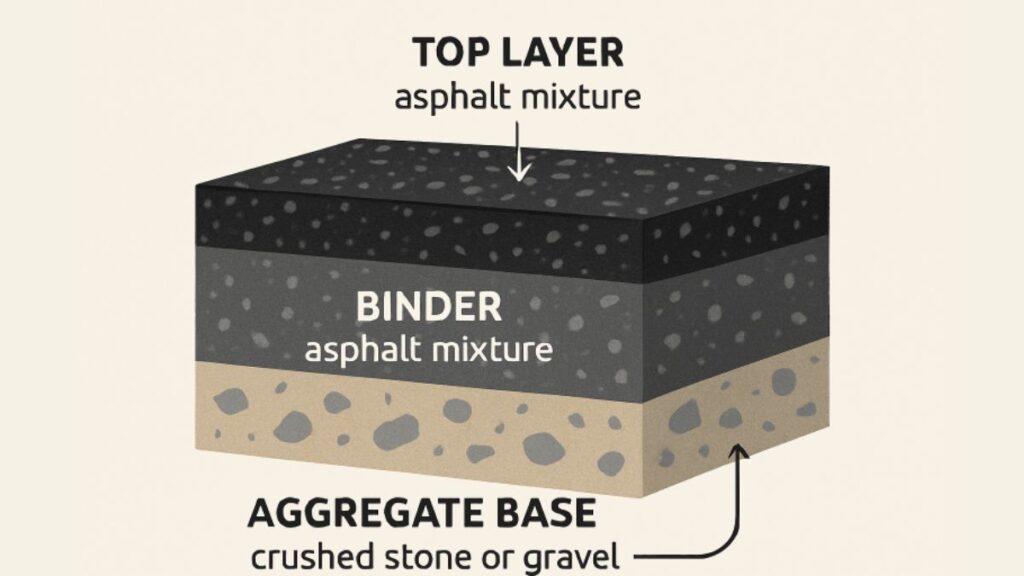
The longevity of asphalt pavement is determined at the very start, when the materials are chosen and mixed. High-quality aggregates, properly graded for strength and stability, form the backbone of any durable asphalt. Choosing the right binder is equally important; modern asphalt mixes often include performance-enhancing additives such as polymers or fibers. These help prevent common issues such as rutting, cracking, and brittleness, especially as pavement ages or is subjected to heavy traffic loads.
Customizing mix designs for local conditions is essential. Engineers evaluate traffic patterns, climate, and anticipated loads to create blends that perform optimally. For example, heavier truck routes or airport runways require blends that are significantly tougher than residential driveways or walking trails.
Environmental Factors Affecting Asphalt Longevity
Nature is a persistent adversary for any exposed surface. Asphalt is susceptible to ultraviolet radiation, which can dry and weaken the binder, leading to cracks and fading. Temperature swings, particularly the repeated freeze-thaw cycles common in northern regions, can force water into small cracks. As water freezes, it expands, creating wider fissures that quickly grow into potholes if left unaddressed. Moisture, meanwhile, undermines the sub-base, destabilizing the entire pavement structure over time.
Mitigation starts with design improvements, such as better drainage slopes or the installation of moisture barriers, and continues with vigilant upkeep through sealing and prompt repair. Local climate is always a factor, but sound engineering can greatly reduce its negative impact.
Innovations in Asphalt Technology
The future of asphalt durability is being shaped by scientific breakthroughs. Self-healing asphalts are a notable example, in which microcapsules filled with restorative agents are embedded in the pavement. When cracks form, these capsules rupture and release their contents, which fill and bond the damaged area. This trailblazing technology can increase service life by up to 30 percent, ultimately lowering long-term repair costs. Recent developments in self-healing asphalt highlight the potential of this technology.
Researchers are also experimenting with eco-friendly alternatives, such as algae-derived binders. These materials not only reduce reliance on fossil fuels but have demonstrated improved performance in cold climates by enhancing flexibility and moisture resistance. Adoption of such advances supports both sustainability and cost savings at scale.
Role of Artificial Intelligence in Predicting Asphalt Durability
Artificial intelligence is revolutionizing the way engineers approach road construction and maintenance. By processing vast amounts of data, AI systems can predict when and where asphalt failures are most likely to occur, factoring in climate trends, vehicle loads, and construction history. These predictive models are invaluable for planning, enabling transportation departments to allocate resources more efficiently and intervene before minor issues escalate into catastrophic failures.
The benefits are clear: fewer disruptions, more cost-effective repairs, and improved public safety. As urban centers continue to grow, such approaches are increasingly critical for infrastructure resilience.
Maintenance Strategies for Prolonging Asphalt Life
Routine care is indispensable for asphalt preservation. Key steps include sealing cracks to block water infiltration (ideally every one to two years), applying protective sealcoats every few years, and patching potholes as soon as they appear. At intervals of a decade or so, resurfacing can restore structural integrity and renew appearance, staving off more extensive reconstruction.
- Crack sealing every 1-2 years
- Sealcoating every 3-5 years
- Patching and pothole repairs as needed
- Resurfacing every 10-15 years
Such preventive measures offer substantial economic and aesthetic benefits, maximizing the return on investment for any paved surface.
Future Directions in Asphalt Durability Research
Looking ahead, research is focused on novel materials such as nanotechnology-enhanced asphalt mixes, which can dramatically improve resistance to both mechanical wear and environmental aging. Permeable pavements are also gaining traction, especially for managing stormwater runoff in urban environments and reducing flood risks. These developments promise even greater resilience and environmental responsibility from the next generation of asphalt solutions.
Conclusion
Building and maintaining long-lasting asphalt surfaces relies on the intersection of material science, innovative technologies, and disciplined maintenance. By staying current on the latest research and leveraging strategies tailored to local needs, communities and property managers can ensure their pavements stand the test of time. Embracing these principles leads to roads, driveways, and parking areas that are not only durable but also more sustainable and cost-effective.