
The Vital Role of Sewage Pumps in Wastewater Management
Sewage pumps are at the heart of any wastewater removal system, ensuring that waste from residential, commercial, and industrial sources is efficiently transported to treatment facilities. By safely and reliably moving sewage, these pumps help maintain sanitary conditions, prevent harmful overflows, and protect public health throughout communities. In densely populated areas and urban environments, the proper installation and ongoing operation of sewage ejector pumps New York are especially important for achieving these critical goals.
Sewage pumps are vital for waste removal, supporting environmental health by preventing pollution and soil contamination. Modern regulations and standards reinforce their importance in all construction projects. They’ve evolved to handle changing waste, growing populations, and technological progress. Their role in public health is crucial, especially as urban areas expand. Effective management relies on proper system design, strategic pump placement, correct selection, and maintenance to prevent costly repairs, environmental violations, and unsafe conditions.
Types of Sewage Pumps and Their Applications
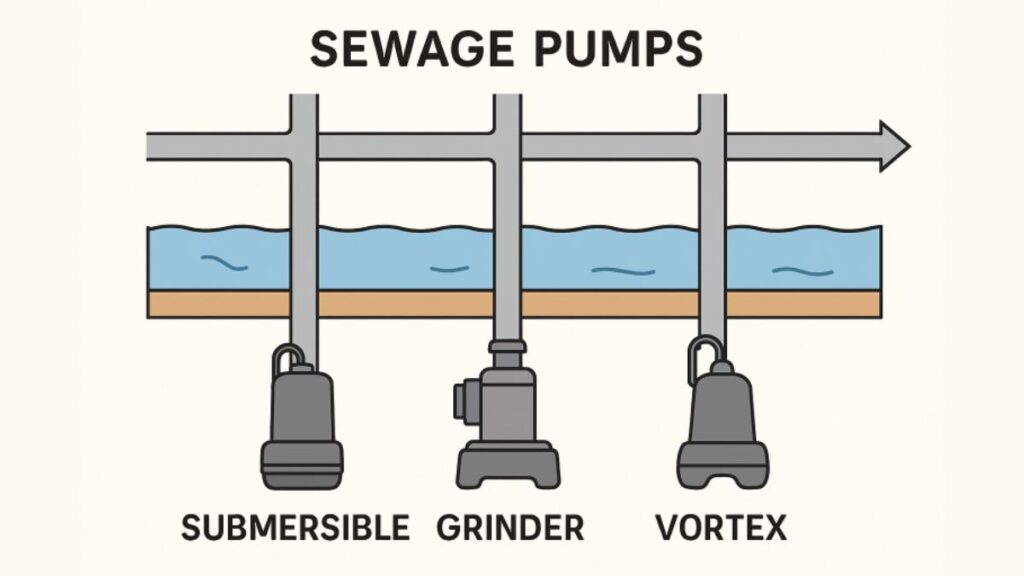
To meet the varying demands of different settings, several types of sewage pumps are available, each suited for particular circumstances and waste streams:
- Submersible Pumps: Installed inside wet wells and designed to operate fully submerged, these are often used in homes and small business applications due to their quiet operation and ability to handle liquids containing moderate solids.
- Grinder Pumps: These models include cutting mechanisms that shred large solids into small particles. Grinder pumps are particularly effective in systems that receive waste with higher concentrations of solid debris and are well suited for places like multi-story buildings or remote communities with narrow pipes.
- Vortex Pumps: With a recessed impeller, vortex pumps create a spinning motion (vortex) that helps move large solids or fibrous materials without clogging. This makes them ideal for municipal applications and sites dealing with significant variability in waste content.
Each type of pump is engineered for durability and reliability under specific operating conditions. Selecting the appropriate model ensures optimal system performance and helps prevent system failures.
Advancements in Sewage Pump Technology
Recent advances have transformed the sewage pump industry by improving reliability and sustainability. Energy-efficient pump designs reduce power use by up to 40%. Smart systems enable remote monitoring, maintenance prediction, and prevent breakdowns, lowering costs and environmental impact. Design improvements like T-shaped impeller tips and coatings reduce clogging and boost hydraulic efficiency. Sensors and monitoring provide real-time performance data, improving response times. These changes support sustainable urban infrastructure and public health, contributing to cleaner cities and safer communities.
Ensuring Safety and Reliability in Sewage Pump Operations
To guarantee ongoing performance and prevent risks, sewage pump systems must be maintained diligently. Regular inspections are essential for catching wear and tear early, allowing teams to address problems before they escalate. Training is critical as well, ensuring that all personnel are aware of best practices and can respond to emergencies effectively and safely.
Another core aspect of reliable operations is the use of corrosion-resistant materials. Pumps made from stainless steel or special composites are more likely to resist degradation from prolonged exposure to harsh wastewater environments. Investing in these materials preserves system longevity and helps avoid premature replacements or costly failures.
Environmental Considerations and Sustainable Practices
Eco-friendly sewage pump operation aims to optimize efficiency and reduce environmental impact. It employs variable speed drives to adapt to flow changes, minimizing energy waste. Many sites use renewable energy sources such as solar or wind power, enhancing sustainability. Advanced treatment recovers nutrients and clean water for reuse in industrial and agricultural processes, supporting circular economy practices that promote community growth and resilience. By adopting energy efficiency and renewable energy, communities cut greenhouse gas emissions and advance climate goals. Sustainable wastewater management is vital for smart city planning and urban thriving.
Conclusion
A robust understanding of sewage pump fundamentals underpins lasting and effective wastewater management strategies. From selecting the right equipment for specific environments to embracing pivotal technological advancements, municipalities and businesses can enhance operational efficiency and sustainability. With ongoing maintenance, safety-focused training, and a commitment to innovation, communities are better equipped to protect public health, ensure regulatory compliance, and support environmental stewardship for generations to come.