Keeping your HVAC system well-maintained year-round is the cornerstone of a comfortable, energy-efficient home. Regular maintenance improves system performance, reduces energy costs, and prevents untimely breakdowns. Whether you are a new homeowner or looking to optimize your existing equipment, practicing consistent care delivers peace of mind and maximizes your investment. To get the most reliable results, professional care from a trusted air conditioning service near me ensures your system is always ready for seasonal changes and peak comfort.
Proper HVAC care includes a blend of professional inspections and in-depth DIY routines. These not only extend the life of your equipment but also maintain healthy indoor air quality in your home. With both simple checks and occasional upgrades, you can efficiently transition between seasons without sacrificing comfort or safety. Proactive maintenance substantially reduces the likelihood of major system failures and saves on repairs and energy bills throughout the year.
No matter the season, understanding and addressing your system’s needs helps you avoid unexpected emergencies and achieve optimal climate control inside your home. With changing weather patterns and rising energy costs, homeowners should familiarize themselves with basic HVAC maintenance, making it an essential part of their regular household routine.
Timely adjustments and professional inspections at the start of each season allow your system to perform at its best. Adopting these habits supports a healthier, more enjoyable indoor environment and protects your home from the extremes of summer heat or winter cold. If you are interested in more comprehensive seasonal home maintenance tips and HVAC upgrades, check out this guide from HVAC.com.
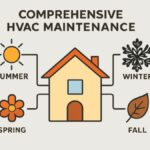
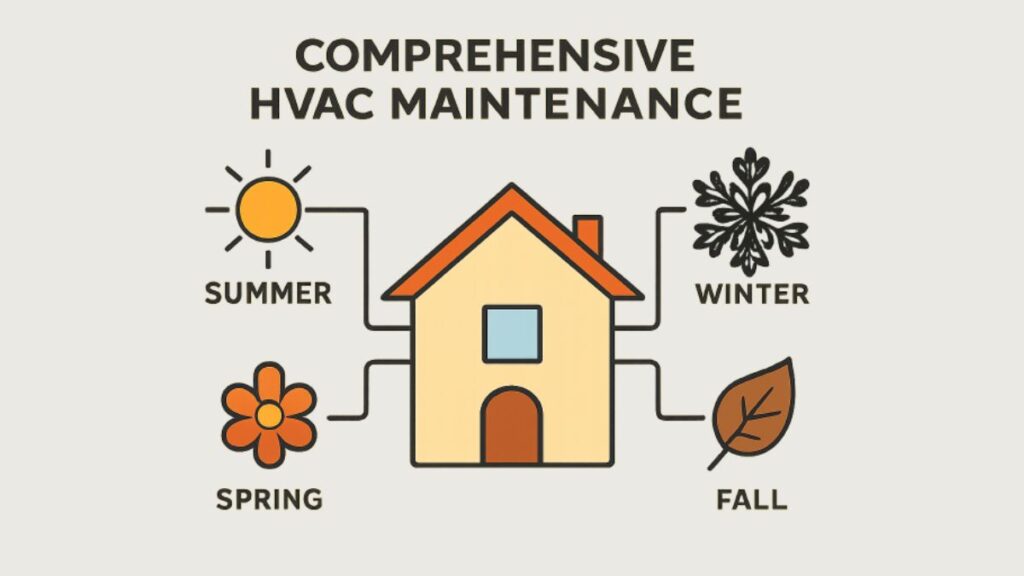
Spring: Preparing for Warmer Weather
With rising temperatures, your cooling equipment comes back into regular use. To ensure optimal performance during the hot months, schedule a professional tune-up in the spring. Licensed technicians will check coils, refrigerant levels, and thermostat calibration. They’ll clean components that may have collected dust or debris and make necessary adjustments to guarantee efficient cooling. Clean filters should be a high priority at this time; replace or clean filters every three months, or more often if you have pets or allergy concerns.
- Tune-Up: Professional service provides a detailed inspection and cleaning of condenser coils, blower fans, and electrical components.
- Air Filter Replacement: Monthly checks and regular replacements improve airflow, energy efficiency, and indoor air quality.
- Debris Removal: Clear the area around outdoor units of any leaves, branches, and overgrowth to prevent overheating and maintain airflow. Outdoor condensers need at least two feet of unobstructed space to operate at peak efficiency.
Summer: Ensuring Optimal Cooling
When your air conditioner reaches its maximum workload in the summer, keeping your home comfortable and energy-efficient is essential. Set your thermostat to recommended temperatures, typically between 75 and 78 degrees Fahrenheit, when you are home. Smart, programmable thermostats can automate adjustments based on your schedule, saving you money without sacrificing comfort.
- Thermostat Management: Use programmable or smart thermostats to maintain ideal temperature settings, reduce energy waste, and customize comfort to your family’s needs.
- Ductwork Sealing: Inspect your ductwork for any visible cracks or gaps. Sealing these leaks prevents cooled air from escaping, keeping rooms comfortable and efficient.
- Ceiling Fans: Run ceiling fans on counterclockwise rotation to enhance cooling. This can help you set your thermostat several degrees higher while maintaining a pleasant environment.
Fall: Preparing for Cooler Temperatures
Autumn is the time to shift maintenance focus toward your heating system. Schedule a comprehensive inspection to ensure secure operation through the winter months. During the check, professionals will clean burners, inspect heat exchangers, and verify the safety and accuracy of controls and sensors.
- Heating System Inspection: Annual checks identify potential issues before winter use and help prevent safety hazards and unexpected breakdowns.
- Filter Maintenance: Even in heating mode, filters require attention to maintain proper airflow and efficiency. Filters should be checked monthly and changed as needed to avoid strain on the unit and maintain good air quality.
- Thermostat Upgrades: Consider installing a smart thermostat to optimize your heating schedule and detect inefficiencies early. This small investment can protect your HVAC system and lower winter energy costs.
Winter: Maintaining Warmth and Efficiency
With cold weather at its peak, your heating equipment needs extra care and attention. Inspect insulation around pipes, attics, and crawl spaces to keep the cold out and improve system efficiency. Weather stripping around doors and windows should be replaced if worn or missing to curb drafts.
- Insulation Checks: Insulate any exposed pipes to prevent freezing and reduce energy loss throughout your home. Proper insulation keeps heated air indoors where it belongs.
- Carbon Monoxide Detectors: Install or test carbon monoxide detectors on every level of your home, especially if you use gas-powered heating appliances. Timely detection of leaks ensures your family’s safety during winter.
- Humidity Control: Dry winter air can be mitigated with whole-house humidifiers that attach directly to your HVAC system, helping prevent static, respiratory discomfort, and damage to wood furnishings. For more details, see the U.S. Department of Energy’s HVAC maintenance guidance.
Year-Round Maintenance Tips
- Clean Vents and Registers: Remove and wash vent covers annually and vacuum ducts if dust buildup is excessive. This encourages consistent airflow and reduces allergens.
- Monitor Performance: Listen and watch for unusual noises, smells, or cycling patterns that may indicate problems requiring prompt attention. Early intervention prevents larger issues.
- Humidity Balance: Use integrated dehumidifiers in summer to handle muggy air, or humidifiers in winter for comfort and energy efficiency. Keeping indoor humidity in check protects both your health and your HVAC system.
By following these seasonal maintenance strategies, you can boost HVAC efficiency, ensure reliable performance, and enjoy a comfortable, healthy home year-round.