Some of the links in this article are "affiliate links", a link with a special tracking code. This means if you click on an affiliate link and purchase the item, we will receive an affiliate commission.
The price of the item is the same whether it is an affiliate link or not. Regardless, we only recommend products or services we believe will add value to our readers.
By using the affiliate links, you are helping support our Website, and we genuinely appreciate your support.
Taking steps to prevent oil tank leaks is essential for every homeowner. With the prevalence of oil heat in many regions, a neglected oil tank can quickly turn into a household hazard. Leaks may lead to hazardous property conditions, pose health risks, and even result in costly environmental cleanup. As a proactive homeowner, keeping your oil tank in good condition is not only an investment in safety but also in peace of mind. For those seeking local help, consider professional oil tank services Thompson Ridge, NY, to ensure proper care and maintenance of your system.
Oil tank leaks are more common than many homeowners realize. Water, debris, and weathering can all contribute to faster deterioration of tanks if not properly managed. The best defense is a solid blend of regular inspections, correct setup, and a household-wide understanding of how oil tanks work and how to spot trouble before it spirals out of control. These steps do not just protect your home; they also help prevent contamination of soil and groundwater that can affect an entire neighborhood.
Regular Inspections: The First Line of Defense
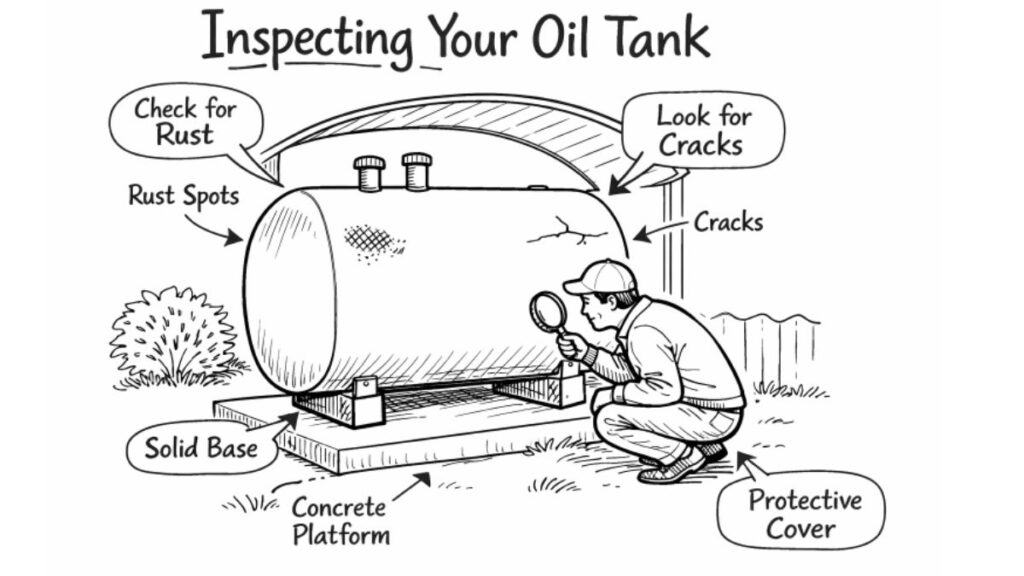
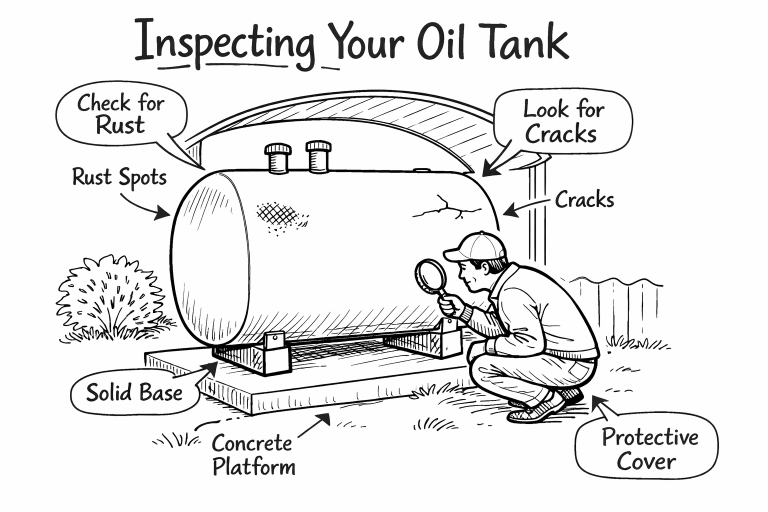
Seasonal inspection is the easiest and most effective way to catch early warning signs. Check for rust, cracking, blistering paint, and moisture on or near the tank. The support legs and foundation should always be level, stable, and free from rust. Addressing these issues early can save you thousands in repair and environmental cleanup costs, according to resources from the Connecticut Department of Energy and Environmental Protection.
Proper Installation: Laying a Solid Foundation
Oil tanks require more than just a flat spot in your basement or yard. The base must be non-combustible and sturdy to prevent tipping or shifting. Placing the tank away from high-traffic or flood-prone areas reduces the risk of accidental bumps, exposure to elements, or water collecting around the tank’s base. Always use certified professionals for installation, as improper setup is a leading cause of leaks and tank failures.
Protective Measures: Shielding Your Tank from the Elements
Weather and environmental factors speed up the deterioration of oil tanks, especially those installed outdoors. Fitting a sump, bund wall, or catchment basin protects against accidental spills and runoff, while installing barriers or shelters reduces the risk from falling branches, ice, and snow. Simple additions, such as tank covers or shade barriers, also help minimize UV and weather damage.
Monitoring Oil Levels: Detecting Leaks Early
Using a reliable oil level gauge is key to spotting sudden drops that signal a potential leak. Modern smart gauges can send alerts straight to your phone, allowing for immediate response. Checking your tank’s level at least every month helps catch issues early. If levels drop unexpectedly and usage has not changed, a leak may be present.
Educating Household Members: Building a Culture of Safety
Prevention is a team effort. Educate everyone in the home about how your heating system works, the importance of inspections, and the common signs of oil leaks. Post contact information for your service provider and local environmental authorities in a visible area. This encourages quick reporting if a problem arises and increases the likelihood that minor issues will be noticed before they become serious.
Responding to Spills: Immediate Actions to Mitigate Damage
Despite best efforts, leaks can still happen. It is vital to act swiftly if you suspect a spill. First, try to safely contain the leak, then contact your oil service provider and local authorities. Never try to handle a significant spill or contamination cleanup yourself, as hazardous chemicals can cause harm to people and the environment. The Complete Oil Tank Maintenance Checklist shares stories that show the real costs and impact of oil tank leaks, highlighting the importance of prompt, professional intervention.
Final Thoughts
Preventing oil tank leaks is a shared priority among all homeowners who rely on oil-based heat. Taking a proactive approach by performing regular checks, ensuring proper installation, protecting your tank from the elements, monitoring oil levels, and having informed household members dramatically reduces your risk. Preparation and awareness can save your home and the environment from the severe consequences of oil tank leaks.