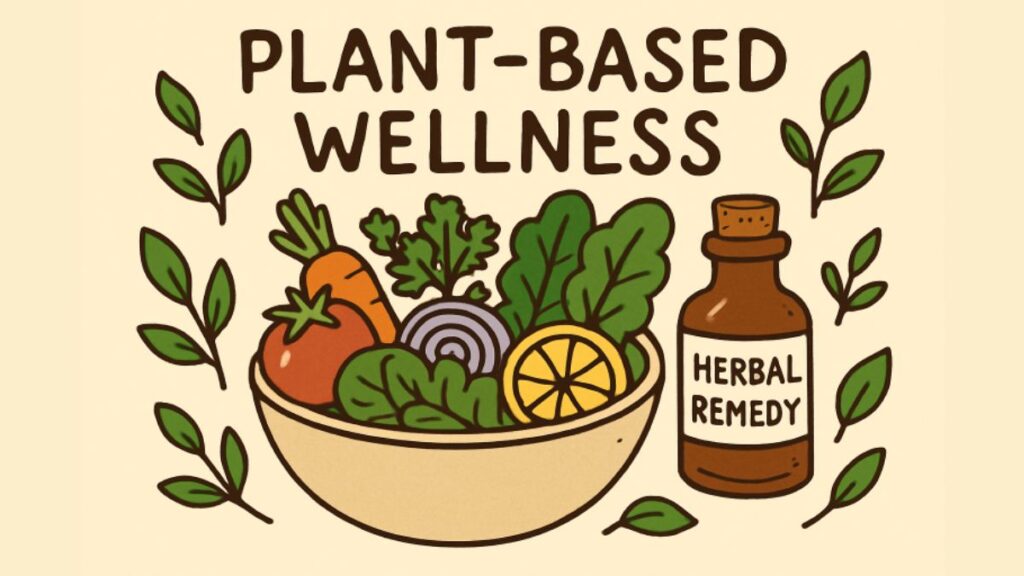
Embarking on a journey toward plant-based wellness can significantly enhance both your immediate health and your long-term well-being. By integrating more plants and natural remedies into your daily habits, you nurture your body and the planet at the same time. You can start simply by exploring local options for organic botanicals Salem, MA, which offer a broad range of fresh, sustainable herbal products.
Plant-based living is not just about dietary choices. It is a comprehensive approach that encompasses your food, self-care routines, and even household products. The shift toward plant-based living is gaining popularity as more people realize its benefits for personal health and the environment. Practical changes, backed by custom planning and community support, make this approach accessible and rewarding.
Understanding Plant-Based Wellness
Plant-based wellness is about more than just food. It means focusing on plant-derived nourishment, holistic supplements, and sustainable lifestyle practices. At its core, this approach celebrates whole foods, herbal remedies, and eco-friendly alternatives to common household items. Plant-based wellness focuses on minimizing artificial ingredients and processed foods, promoting a more natural, balanced lifestyle.
Beyond the personal benefits, adopting a plant-based lifestyle also connects you with a growing global movement. According to Healthline, plant-based diets emphasize nutrient-rich choices that support immunity, gut health, and energy.
Health Benefits of a Plant-Based Diet
Numerous studies highlight how eating mainly plants can improve overall health and reduce susceptibility to chronic illnesses:
- Heart Health: Diets centered on fruits, vegetables, legumes, and whole grains are associated with lower cholesterol, lower blood pressure, and fewer heart-related problems.
- Weight Management: Plant-based foods are naturally lower in calories and saturated fats, supporting healthy weight maintenance and lowering obesity risk.
- Reduced Inflammation: Antioxidant-rich ingredients, such as leafy greens and berries, may help manage inflammation and lower the risk of autoimmune and degenerative diseases.
The evidence supporting plant-based eating is robust. Research published by the Centers for Disease Control and Prevention (CDC) underscores the crucial role of plant-centered diets in preventing major health issues.
Incorporating Herbal Remedies
Herbal medicines have long been prized for their holistic effects. Ashwagandha, for example, is widely recognized for its calming properties, which can help with stress and sleep. Turmeric is celebrated for its anti-inflammatory benefits and its role in joint health. Incorporating these herbs as teas, supplements, or culinary spices makes it easy to enjoy their natural advantages. Before starting any new herbal routine, consult with a healthcare provider, especially if you have pre-existing conditions or are taking medications.
Plant-Based Products in Daily Life
By embracing plant-based alternatives in daily life, individuals can deepen their commitment to wellness. In personal care, opting for products with botanical oils, extracts, and essential oils promotes gentleness and supports the body’s natural balance. Replacing chemical-laden cleaners with plant-based alternatives like baking soda, vinegar, and essential oil blends improves indoor air quality and reduces environmental impact.
Environmental Impact
Living plant-based also means making choices that help the earth. Compared to animal-based diets, plant-based eating uses less water, land, and fossil fuels, while reducing greenhouse gas emissions. Many plant-based products are biodegradable, reducing landfill waste and pollution. By supporting sustainable agriculture and mindful consumption, you become an active participant in the movement toward a healthier planet.
Challenges and Considerations
Transitioning to a plant-based lifestyle presents some challenges, but these can be overcome with good planning:
- Nutrient Intake: Plant-based eaters must pay close attention to nutrients like vitamin B12, iron, calcium, and omega-3 fatty acids. Consider fortified foods or plant-based supplements where necessary.
- Product Availability: Depending on your location, plant-based products may be more challenging to find. Seek out local markets and specialty shops or explore online options to broaden your choices.
Learning about plant-based nutrition through reputable sources and connecting with professionals will help ensure your needs are met and foster a positive experience.
Community and Support
Finding a supportive community makes the process of embracing plant-based living more enjoyable and sustainable. Many online groups, local meet-ups, and educational workshops welcome newcomers, providing recipes, shopping tips, and encouragement. For example, the Plant-Based Daily community is an active resource for sharing ideas and overcoming obstacles on your wellness journey.
Conclusion
Making plant-based wellness a central part of everyday life provides benefits that extend beyond personal health. It also has far-reaching positive impacts on the environment and community. By seeking out knowledge, embracing new habits, and building supportive connections, you can transform your routine and make plant-based living an enriching and lasting practice.