Introduction
Reliable water sources are foundational to thriving communities and successful agriculture. As the challenges of climate change and population growth put added pressure on water resources, the well-drilling industry is responding with innovative solutions. These technologies are making water access projects more sustainable and tailored to the unique needs of each property. For example, advances in well drilling El Campo are providing rural and agricultural landowners with improved options for creating efficient and environmentally friendly wells.
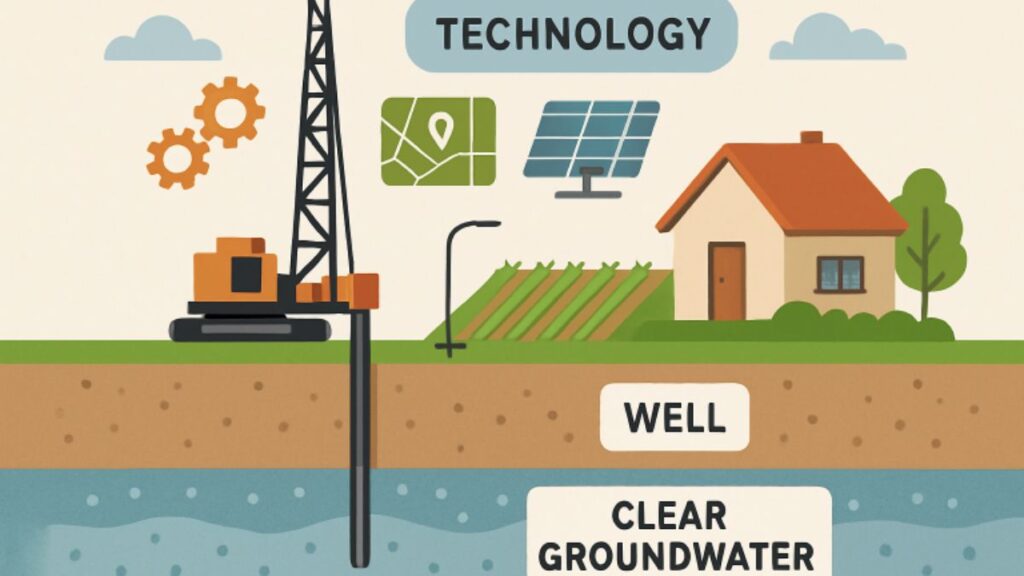
Today’s drilling methods go far beyond simply breaking ground and hoping for the best. Modern well drilling often begins with the use of integrated digital tools. It extends to water delivery and ongoing system monitoring, resulting in improved outcomes for both homeowners and large-scale agricultural operations.
Enhanced Precision in Site Selection
Drilling a well in the right place is critical for ensuring a consistent and clean water supply. Geographic Information Systems (GIS) and detailed hydrogeological mapping are now standard for professional drilling operations, enabling experts to analyze subsurface water potential and geology before a single drill is turned. By overlaying layers of geographic and historical water data, these technologies direct drillers to productive and sustainable sites, minimizing dry holes and curtailing unnecessary excavation. This level of site intelligence means less environmental disruption and more reliable outcomes for users. More information about GIS advances in water infrastructure can be found through sources like the EPA’s Smart Growth and Water.
Automation and Smart Drilling Equipment
The integration of automation and artificial intelligence (AI) into drilling equipment has rapidly advanced efficiency and safety in the industry. Rig systems now use sophisticated sensors that continuously monitor soil composition, hardness, groundwater presence, and other critical factors. When conditions change, these “smart” rigs automatically adjust their speed, rotation, and pressure settings for optimal performance and safety. This not only reduces the risk of human error but also accelerates the drilling process and extends the useful life of equipment and infrastructure. These improvements enable professional firms to deliver results faster and more securely than ever before.
Eco-Friendly Drilling Practices
In the past, drilling projects sometimes risked contaminating groundwater or damaging local environments. Thanks to eco-friendly innovations, today’s practices are much safer for people and ecosystems. Biodegradable drilling fluids, low-emission engines, and techniques like precision directional drilling reduce the footprint and environmental impact of each new well. Professional teams are trained to use these methods to protect groundwater purity and preserve land value for future generations. These advances are essential as environmental standards become increasingly stringent and public awareness of water issues intensifies. For a deeper dive into these sustainable practices, see EPA’s Sustainable Water Infrastructure.
Real-Time Monitoring and Data Analytics
Modern well systems now rely on a network of real-time monitoring devices that assess water quality, well pressure, equipment status, and changes in surrounding groundwater. These IoT-driven systems can send instant alerts about contamination risks or performance changes, enabling swift and proactive maintenance. Over time, collected data can be analyzed for patterns, helping to predict future problems and guide preventive care. As a result, property owners and farm managers enjoy greater peace of mind and confidence in the ongoing safety and performance of their water supply investments.
Advanced Water Filtration and Purification
Clean water access isn’t just about quantity—it’s increasingly about quality. New filtration and purification technologies can address a wide array of modern contaminants, from agricultural runoff to industrial residues. Advanced oxidation processes, such as those using ozone, hydrogen peroxide, or ultraviolet light, are capable of breaking down complex pollutants that traditional filters miss. Enhanced carbon filters and ion exchange systems are also more effective at removing heavy metals, nitrates, and other harmful chemicals, ensuring safe water for drinking, irrigation, and livestock use. Homeowners and commercial users now have better tools than ever to guarantee the purity of their water straight from the source.
Integration of Renewable Energy Sources
Integrating renewable energy, particularly solar power, into well systems reduces reliance on fossil fuels and makes water access more affordable and eco-friendly. Solar-powered pumps and hybrid rig operations are particularly valuable for rural or remote projects, where electrical infrastructure may be limited or costly. By harnessing clean energy to power everything from drilling rigs to ongoing water delivery, landowners can reduce their carbon footprint and operate with greater independence from local utilities. These innovations align well with both environmental goals and long-term cost savings, creating a more sustainable model for managing water resources in both homes and agriculture.
Conclusion
The well drilling sector is undergoing a rapid transformation, driven by digitalization, eco-friendly innovations, and advanced equipment. By combining high-precision tools, real-time monitoring, and environmentally friendly practices, the industry is poised to meet modern demands for both efficiency and sustainability. Embracing these advances ensures access to clean, secure water for generations to come and supports the growth of resilient, healthy communities in an ever-changing world.