Understanding Shock Absorbing Casters
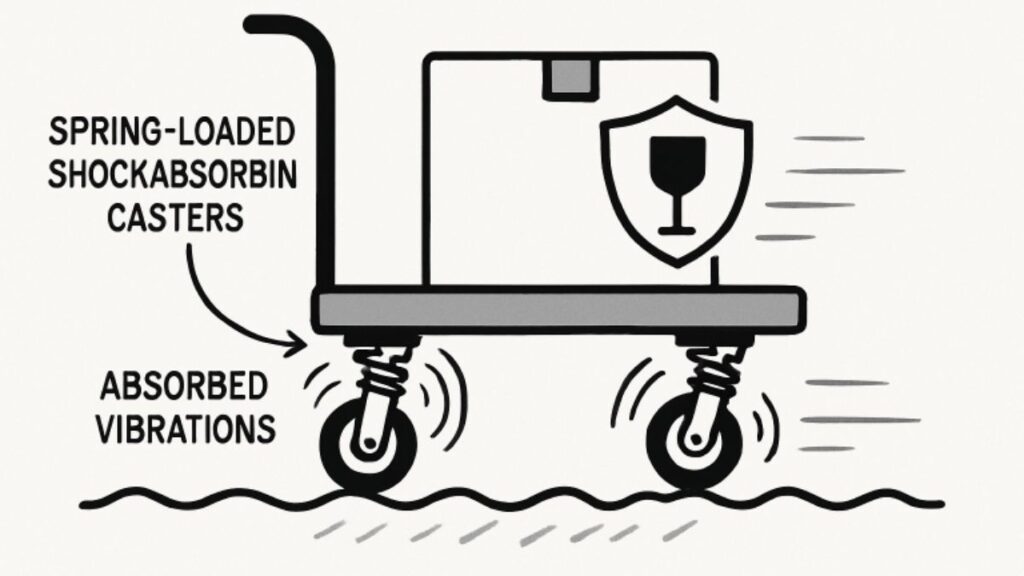
Workplaces with frequent equipment movement often struggle with persistent vibration and noise issues, which can endanger both valuable assets and employees’ well-being. Shock-absorbing casters provide a practical solution, minimizing the impact of uneven surfaces and vibrations during equipment transit. With specialized engineering, such as spring-loaded mechanisms and advanced materials, these casters help ensure safer transport for delicate assets. Companies seeking to upgrade operational safety and efficiency should consider installing shock absorbing suspension casters on carts and machinery commonly in motion.
These casters are especially valuable in environments where vibrations could compromise performance or integrity, such as labs, assembly lines, or hospitals. Operators benefit from reduced strain, as the cushioned wheel mechanics absorb much of the physical shock that would otherwise be transferred through the equipment and into the user.
While traditional caster wheels may suffice for basic mobility, shock-absorbing designs offer superior protection for fragile inventory and enhanced comfort for staff. The right shock absorption system can make the difference between sustaining and damaging precision instruments during transport.
Emerging research and workplace case studies highlight the role of shock-absorbing casters not only in protecting equipment but also in reducing long-term health risks associated with ongoing exposure to workplace vibrations. According to the Occupational Safety and Health Administration (OSHA), limiting exposure to occupational vibration is key to preventing disorders and injuries among workers.
These casters also play a pivotal role in supporting regulatory compliance and modern workplace best practices, as outlined by safety organizations and industry guidelines. Their growing adoption reflects a proactive approach to both operator welfare and equipment preservation.
Benefits of Implementing Shock-Absorbing Casters
Protection of Sensitive Equipment
The journey from storage to workspace can be perilous for sensitive equipment if the wheels lack adequate shock absorption. Vibration and jolts during movement often damage items such as glassware, optical devices, and specialized laboratory or medical equipment. Shock-absorbing casters reduce vibration acceleration by between 30% and 60%. This pronounced dampening effect helps safeguard valuable instruments, extending their operational lifespan and easing strains on maintenance budgets. By minimizing impact forces, these casters provide a simple, effective buffer between hazards and integrity-sensitive goods.
Enhanced Operator Comfort and Safety
Exposure to ongoing vibrations can cause fatigue and increase the risk of musculoskeletal disorders among workers who move heavy carts or machinery. Shock-absorbing casters address this concern by damping vibrations, improving ergonomics, and increasing operator satisfaction. Over time, reducing physical strain can lead to a significant decline in workplace injuries, helping control lost-time accidents and related costs, as reported by agencies such as the National Safety Council (nsc.org).
Noise Reduction
The volume of workplace noise directly impacts both safety and productivity. Shock-absorbing casters can reduce noise by up to 15 decibels, helping meet regulatory standards and creating a more pleasant work environment. Quiet wheels, such as those offered by Caster Concepts’ CasterShoX line, are particularly beneficial in facilities where loud surroundings might otherwise hinder communication, cause distractions, or potentially increase accident risk. Reducing noise pollution aligns with strategies recommended by the Centers for Disease Control and Prevention to improve auditory health (cdc.gov).
Applications Across Various Industries
Manufacturing
In manufacturing, shock-absorbing casters are a crucial part of safe material-handling systems. From moving heavy-duty machinery to delicately transporting finished goods and assemblies, their vibration-absorbing properties help prevent accidental drops, surface damage, and operational mishaps. The noise control aspect also contributes to safer, more efficient production lines where vocal warnings or instructions must be clearly communicated.
Healthcare
Healthcare facilities rely on smooth, quiet mobility for both patient care and equipment longevity. Shock-absorbing casters are commonly fitted on medical carts, hospital beds, and even diagnostic devices, ensuring patients experience minimal discomfort and staff can transport sensitive instruments with confidence. Less disruption leads to a calmer environment and helps maintain a high standard of care.
Logistics and Warehousing
Modern logistics hubs and warehouses see continuous movement of goods over diverse floor conditions. Shock-absorbing casters enable safe, efficient transfers by preventing product damage and minimizing rattling noise in busy storage areas. With the right caster setup, organizations can reduce product loss, maintain better inventory quality, and support a quieter, safer workplace for all employees involved in materials handling.
Key Considerations When Selecting Shock Absorbing Casters
- Load Capacity: Always ensure the chosen casters are rated for the weight they will carry. Overloading can compromise both shock absorption and safety.
- Wheel Material: Different environments may require wheels made from rubber, polyurethane, or other materials adapted to specific floor surfaces and operational demands.
- Spring Mechanism: The right spring stiffness ensures optimal shock absorption for the intended load, without excessive deflection that could hamper maneuverability or safety.
Conclusion
Integrating shock-absorbing casters into workplace equipment lays the foundation for enhanced safety, asset protection, and sustained operational efficiency. By targeting and reducing both vibration and noise, these casters help cultivate healthier workspaces and can deliver considerable long-term cost savings. Across industries, from manufacturing to healthcare and logistics, the improved handling and comfort offered by advanced caster technology lead to measurable gains in productivity and worker well-being.