
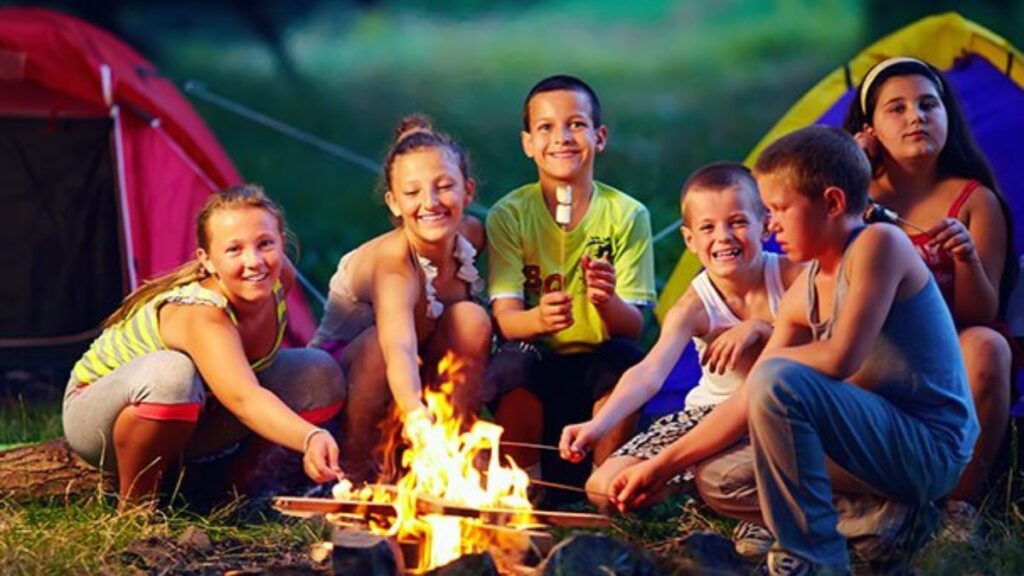
Why Camping Matters for Families
Few experiences match the rewards of getting outdoors as a family. Camping is a chance to leave digital distractions behind, rediscover the simple joy of a crackling fire, and explore the beauty of nature together. Researchers have found that families who camp together report improved communication and stronger interpersonal bonds.
Family camping Lancaster County, PA offers a variety of scenic sites and outdoor activities that cater to all ages, making it easy for families to connect while enjoying nature.
When the Wi-Fi fades and the stars come out, kids and adults alike can relax, unwind, and create memories that last a lifetime. Time outdoors naturally encourages creativity, physical activity, and togetherness. Whether returning to a favorite spot or venturing out for the first time, a well-planned camping trip can strengthen family ties in ways that everyday routines can’t.
Simple Preparations for a Smooth Trip
The secret to an enjoyable family camping adventure is thoughtful, flexible preparation. Start by considering everyone’s comfort: Pack familiar snacks for picky eaters, bring extra clothing layers, and include favorite bedtime buddies or comfort items for kids. Make a checklist of essentials—like tents, sleeping bags, water, flashlights, a first-aid kit, and bug spray—to avoid last-minute scrambling.
Involving children in packing and planning helps them feel invested in the adventure. Let them gather their clothes or choose one activity everyone can look forward to. Always check the weather forecast and prepare backup plans for rain or chilly nights. Testing new gear at home first, such as tents or camp stoves, prevents frustrating surprises that can put a damper on the trip.
- Test critical gear like tents, lanterns, and cooking equipment in advance
- Assign packing lists for each family member, including their favorite items
- Pack a small “rainy day kit” with books, cards, or crafts to keep spirits up if the weather turns
Making Camp Setup Part of the Adventure
Setting up camp is a great way to kick off the trip and engage everyone. Turn chores into games by timing the tent-pitching process, playing upbeat music, or racing to see who can collect the most kindling. Assign age-appropriate roles: smaller children can help organize gear or find marshmallow sticks, while older kids can help with tent assembly or fire setup under adult supervision.
Creativity with Campfire Cooking and Snacks
Mealtime is often the highlight of camping adventures. Beyond just roasting marshmallows—experiment with classics like campfire pizza, foil-packet veggies, or banana boats stuffed with chocolate. Letting kids help prepare or even design their own meals gives them a sense of ownership and encourages even picky eaters to try something new. Cooking together around the campfire can teach valuable life skills and create lasting traditions.
Finding Fun in Nature
Nature itself is a playground for families. Plan a scavenger hunt to find pinecones, wildflowers, or unusual rocks. Early-morning walks can become wildlife-spotting adventures and spark curiosity about the natural world. Consider bringing binoculars for bird watching or using a camera to capture unique patterns in tree bark or clouds. Evidence suggests that outdoor play dramatically boosts creativity and well-being in children.
Classic Camp Games and New Traditions
Camping allows families to enjoy timeless games away from screens and gadgets. Bring out old favorites like flashlight tag, sack races, or nature bingo. Make evenings memorable with storytelling sessions or shadow puppet shows on the tent wall. Consider establishing a new tradition, whether it’s a family joke night, a shared group journal, or creating funny campfire songs together. Allow for plenty of laughter and spontaneity.
- Sack races or obstacle courses using natural materials
- Nature bingo with local flora and fauna
- Group storytelling or sharing favorite moments around the campfire
- Stargazing or charting constellations together
Learning Through Outdoor Experiences
A camping trip is ideal for teaching practical outdoor skills that will stay with kids for life. Teach children to read maps, use a compass, build a safe campfire, or identify animal tracks and wild plants. Let kids lead by choosing short hiking paths or mapping out areas around the campsite. These hands-on lessons give children self-confidence, independence, and a deeper appreciation for the natural world.
Wrapping Up With Lasting Memories
After a few days immersed in the outdoors, families leave with more than just souvenirs—they bring home laughter, stories, and lasting connections. Consider collecting small treasures, like leaves or pebbles, to use in a camping scrapbook. Set aside time for everyone to reflect on their favorite moments, perhaps by creating postcards for loved ones with camp photos or writing a joint story about the trip. Even unexpected challenges, like rainy mornings or stubborn campfires, can become cherished tales repeated at home for years.